San Carlos Park is a well-established residential community in Lee County, situated between Fort Myers and Estero along some of Southwest Florida’s most active growth corridors. Like much of the region, San Carlos Park homes draw from a water supply with naturally elevated mineral content. Calcium and magnesium concentrations in local water create what is commonly referred to as hard water, and while it is not a health hazard, its effects on plumbing systems, appliances, fixtures, and daily household routines are cumulative and costly. For homeowners looking to protect their investment and improve quality of life at home, professional water softener installation is one of the most practical and impactful upgrades available.
How Does Hard Water Impact Your Plumbing and Appliances?
Hard water carries dissolved minerals that are harmless to drink but damaging to everything water flows through on a daily basis. As hard water moves through pipes, water heaters, dishwashers, washing machines, and other water-using appliances, the minerals it carries are deposited on interior surfaces in a process called scaling. Over time, these mineral deposits narrow pipe interiors, restrict water flow, coat heating elements, and force appliances to work harder to achieve the same output. The result is reduced efficiency, higher energy consumption, and a shortened operational lifespan across the entire plumbing system.
In San Carlos Park homes, where air conditioning and water-using appliances run heavily throughout the year, the cumulative impact of hard water on equipment performance is significant. Water heaters with scaled heating elements consume more energy to reach target temperatures. Dishwashers with mineral-coated spray arms deliver inconsistent cleaning results. Washing machines operating with hard water use more detergent to achieve adequate lather and produce laundry results that reflect it. Addressing the mineral content of the water supply before it reaches these systems is far less expensive than replacing the equipment it damages.
Signs Your Home May Need a Water Softener
Hard water makes its presence known in ways that are easy to notice once you know what to look for. White or chalky residue accumulating around faucet bases, showerheads, and fixture surfaces is one of the most visible indicators. This scaling represents the same mineral deposits that are building up inside pipes and appliances simultaneously. Soap and shampoo that fail to lather adequately, laundry that comes out stiff or dingy despite proper washing, and spots on dishes and glassware after a dishwasher cycle are all consistent signs of hard water interference with daily household tasks.
Physical effects are equally common. Dry or irritated skin and hair following showers are frequently attributed to hard water, as the mineral content affects how thoroughly soap and shampoo rinse from the skin and hair. Reduced water pressure at fixtures, unusual sounds from the water heater, and a unit that runs longer than expected to heat water are operational signs that scaling has already progressed inside the system. Pairing a water softener with a broader water filtration installation addresses both mineral content and other water quality concerns that are common in Southwest Florida’s residential water supply.
The Benefits of Water Softeners for Your Home
The improvements that follow water softener installation are noticeable across virtually every aspect of daily household life. Softened water allows soap, shampoo, and detergent to lather fully and rinse completely, which translates to cleaner dishes, softer laundry, and a more comfortable shower experience. Skin and hair that previously felt dry or coated after washing benefit immediately from the reduction in mineral content. Fixtures and tile surfaces that required frequent scrubbing to manage mineral staining stay cleaner with significantly less effort.
Beyond the daily quality-of-life improvements, the long-term financial benefits of water softener installation are substantial. Appliances protected from scale buildup operate more efficiently, use less energy, and reach the end of their intended service life without the premature failures that hard water accelerates. Water heaters, dishwashers, and washing machines all perform better and last longer in a softened water environment. Lower energy bills from more efficient appliance operation and reduced frequency of plumbing service calls combine to make water softener installation a home upgrade that pays for itself over time.
What to Expect During Water Softener Installation
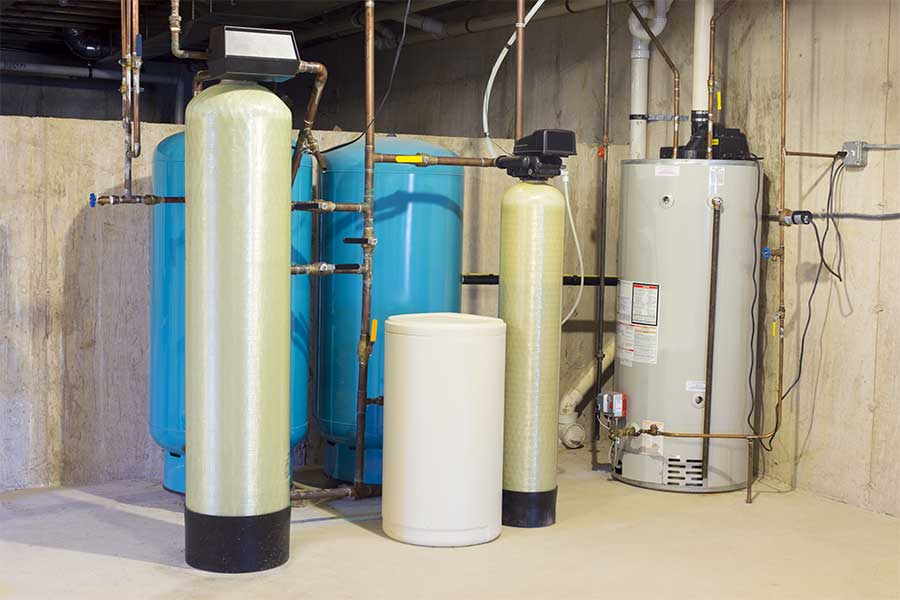
Professional water softener installation is a straightforward process when handled by an experienced licensed plumbing team. Our technicians begin with an assessment of the home’s plumbing configuration to identify the optimal placement for the unit, typically at the point where the main water supply enters the home so that all downstream fixtures and appliances benefit from softened water. The existing water supply is shut off, the installation location is prepared, and the softener unit is connected to the inlet and outlet plumbing with secure, code-compliant fittings.
Once the unit is connected, the brine tank is loaded with salt and the system is programmed to match the household’s water usage patterns and the hardness level of the local water supply. Our team runs thorough testing after installation to confirm the system is operating correctly and that softened water is flowing properly throughout the home. The installation area is left clean and tidy before our technicians complete the visit, and every homeowner receives a clear explanation of how the system operates and what ongoing maintenance it requires to continue performing at its best.
How to Choose the Best Water Softener for Your Home
Selecting the right water softener for a San Carlos Park home involves matching the system’s capacity and technology to the specific conditions of the household. The starting point is understanding the actual hardness level of the home’s water supply, which a professional water test can determine accurately. That measurement guides both the type of system selected and the capacity required to handle the home’s daily water usage without running short between regeneration cycles.
Household size is a key factor in capacity selection. A system sized for a single-occupant home will not keep pace with the demands of a larger family, while an oversized unit wastes salt and water during unnecessarily frequent regeneration cycles. Salt-based ion exchange systems are the most effective option for homes with significant hardness levels and represent the standard recommendation for most San Carlos Park properties. Salt-free conditioning systems offer an alternative for homeowners with specific salt reduction preferences, though they function differently and are best evaluated on a case-by-case basis with professional guidance. Our team at Pro-Tec Plumbing and Air helps homeowners work through these considerations with straightforward, no-pressure recommendations matched to their actual water conditions and household needs.
Making the Most of Your San Carlos Park Home’s Water Quality
Hard water is a manageable condition, not an unavoidable one. For San Carlos Park homeowners dealing with the scaling, appliance wear, and daily inconveniences that mineral-heavy water produces, a professionally installed water softener represents a direct and lasting solution. The combination of improved daily comfort, protected plumbing infrastructure, and extended appliance lifespan makes this one of the most well-rounded home upgrades available in terms of both immediate and long-term return on investment.
If you are ready to find out which water softener system is the right fit for your home, contact our team today to schedule a consultation and take the first step toward better water quality throughout your San Carlos Park property.