
Key Takeaways
- A few basic checks can help identify whether the issue is minor before calling a technician
- Thermostat settings and tripped breakers are the most common causes of sudden AC failure
- Dirty air filters are the leading cause of reduced cooling efficiency in Florida homes
- Outdoor unit obstructions and refrigerant issues always require professional diagnosis
- If basic checks do not restore cooling, call a licensed HVAC technician immediately
When Your AC Fails in Golden Gate, the Heat Does Not Wait
In Golden Gate and the surrounding Golden Gate Estates communities, summer temperatures regularly push into the mid to upper 90s. When an AC system stops working, indoor temperatures can climb to dangerous levels within hours, especially in homes that rely entirely on central air with no cross-ventilation.
Before calling for emergency AC repair, there are a handful of quick checks that can help identify whether the issue is something simple or a sign of a deeper mechanical problem. These are visual and basic checks only. Anything beyond these steps should be handled by a licensed HVAC technician.
Why AC Emergencies Hit Harder in Southwest Florida
Golden Gate sits inland from the Gulf Coast, which means less sea breeze and more intense heat during the summer months. Homes in this area run their AC systems nearly year-round, which accelerates wear on components and makes regular maintenance especially important.
According to the U.S. Department of Energy, air conditioning accounts for nearly 12 percent of U.S. home energy expenditures, with that share significantly higher in hot and humid climates like Southwest Florida. When a system fails here, it is rarely a matter of mild discomfort. It is a health and safety concern that needs fast, professional attention.
Start With the Thermostat Before Anything Else
The thermostat is the first and simplest thing to check when your AC stops cooling. Confirm it is set to cool mode, that the target temperature is set lower than the current room temperature, and that the display is active and responsive. If the unit runs on batteries, replacing them is worth trying before anything else.
If the thermostat appears to be functioning correctly but the system still is not cooling, the problem lies elsewhere. A licensed technician will evaluate the thermostat as part of a full diagnostic to determine whether it needs calibration, replacement, or whether a deeper system issue is responsible.
A Dirty Air Filter Is Often the Culprit
In Golden Gate and across Southwest Florida, year-round AC use means filters clog faster than in cooler climates. A heavily restricted filter forces the system to work harder, reduces airflow to the living space, and can eventually cause the evaporator coil to freeze, shutting the system down entirely.
Check your filter by locating the air handler or furnace unit and sliding the filter out for a visual inspection. Here is what to look for:
- Light passes through easily — filter is still serviceable
- Light is partially blocked — filter is due for replacement soon
- No light passes through — filter is clogged and restricting airflow significantly
- Filter is visibly gray, matted, or wet — replace immediately and schedule an AC maintenance visit to check for related damage
Filters in Florida homes should be checked monthly and replaced every 30 to 60 days during peak cooling season.
A Clogged Condensate Line Can Shut Down Your System
The condensate line carries moisture pulled from the air during the cooling process out of the home. In Florida’s humid climate, this line works harder than in most other states, and algae or debris buildup can clog it quickly. When the line backs up, water overflows into the drain pan and most modern systems shut down automatically as a protective measure.
If your AC has stopped running and you notice standing water near the indoor air handler, a blocked condensate line is a likely cause. This is not a homeowner repair. Improper attempts to clear the line can introduce the wrong cleaning agents, damage the drain pan, or miss a deeper blockage. A technician will clear the line properly and inspect the drain pan and coil for any related water damage during a service visit.
Check the Outdoor Unit for Obvious Obstructions
Walk around to the outdoor condenser unit and do a quick visual check. Overgrown shrubs, fallen branches, lawn debris, and even insects or small animals can obstruct airflow around the unit and cause the system to overheat and shut down. Make sure there is at least two feet of clearance on all sides.
What you should and should not do at the outdoor unit:
- Do clear away visible debris from around the unit
- Do confirm the fan appears to be running when the system is active
- Do not attempt to clean the coils yourself
- Do not touch or inspect refrigerant lines
- Do not ignore unusual noises, ice buildup, or oil stains near the unit
Any of the above signs warrant an immediate call for emergency AC repair rather than further homeowner troubleshooting.
A Tripped Breaker May Be Why Your AC Stopped Working
A tripped circuit breaker is one of the most common reasons an AC system stops running suddenly. Locate your electrical panel and check whether the breaker labeled for the AC or air handler has tripped to the middle or off position. Flip it fully off, then back on, and return to the thermostat to see if the system resumes.
If the breaker trips again shortly after resetting, stop there. A repeatedly tripping breaker is a warning sign of an electrical fault, an overloaded circuit, or a failing compressor. The ENERGY STAR program notes that electrical issues in HVAC systems are among the leading causes of premature equipment failure. Resetting the breaker repeatedly without addressing the underlying cause can damage the compressor and turn a repair into a full replacement.
What Happens During a Professional Emergency AC Inspection
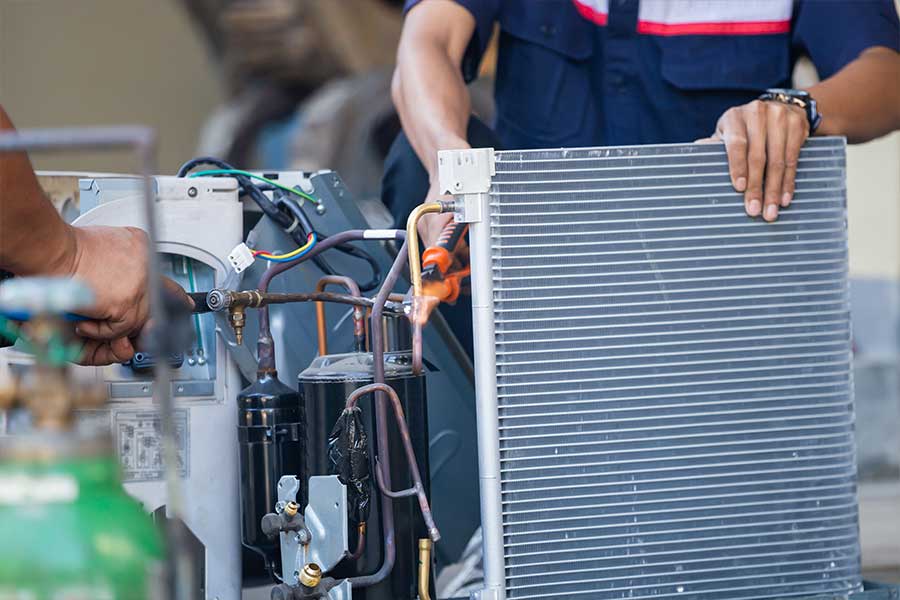
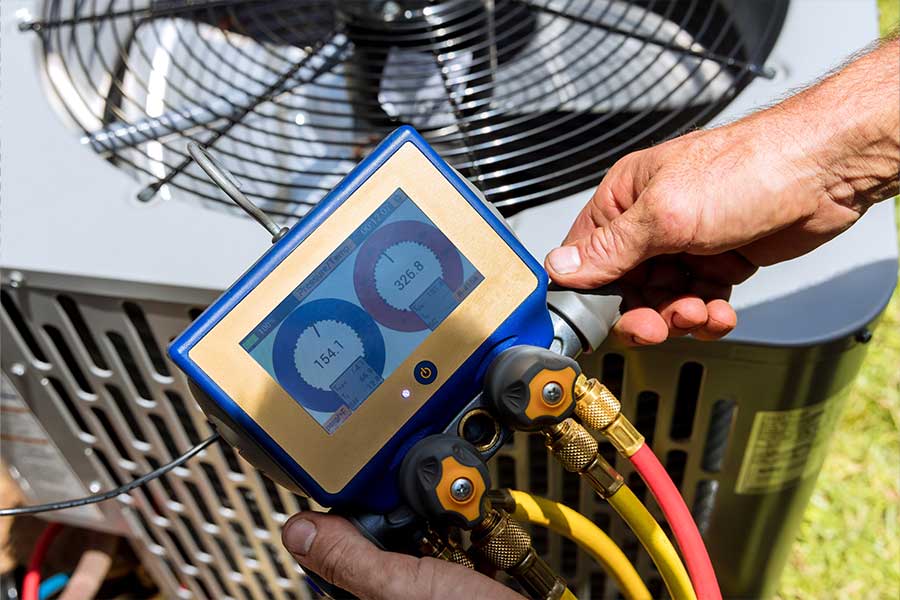
When a Pro-Tec technician arrives for an emergency call in Golden Gate, the diagnostic process goes well beyond the surface-level checks a homeowner can perform. The inspection includes refrigerant level testing, electrical component evaluation, coil condition assessment, condensate system check, and thermostat calibration verification.
This comprehensive approach means problems are identified at the source rather than temporarily patched. Our team serves Golden Gate, Naples, Fort Myers, Cape Coral, and surrounding Southwest Florida communities with fast response times for urgent HVAC calls.
When Basic Checks Are Not Enough, Call the Professionals
The checks covered in this guide address only the most common surface-level causes of AC failure. If your system is still not cooling after working through these steps, the issue requires professional diagnosis. Continuing to run a malfunctioning system can cause compressor damage, refrigerant loss, or electrical hazards that significantly increase the cost of repair.
Pro-Tec Plumbing and Air is available for AC repair services throughout Golden Gate and Southwest Florida. If your system is down and the heat is climbing, schedule your emergency AC repair today and get a licensed technician to your door fast.
Frequently Asked Questions
What are the most common causes of sudden AC failure in Golden Gate, FL?
Tripped breakers, clogged filters, blocked condensate lines, and thermostat issues are the most frequent causes. Refrigerant leaks and compressor failures are less common but require immediate professional attention.
Is it safe to keep running my AC if it is making unusual noises?
No. Grinding, banging, or hissing sounds indicate mechanical or refrigerant issues that can worsen quickly. Turn the system off and call a technician.
How often should AC filters be replaced in Southwest Florida?
Every 30 to 60 days during peak cooling season. Homes with pets, dusty conditions, or allergy concerns may need monthly changes.
What should I do if my AC keeps tripping the circuit breaker?
Reset it once only. If it trips again, turn the system off and call a licensed HVAC technician. Repeated resets can damage the compressor.
Does Pro-Tec offer emergency AC repair in Golden Gate, FL?
Yes. Pro-Tec serves Golden Gate, Naples, Fort Myers, Cape Coral, and surrounding Southwest Florida communities with prompt emergency HVAC response