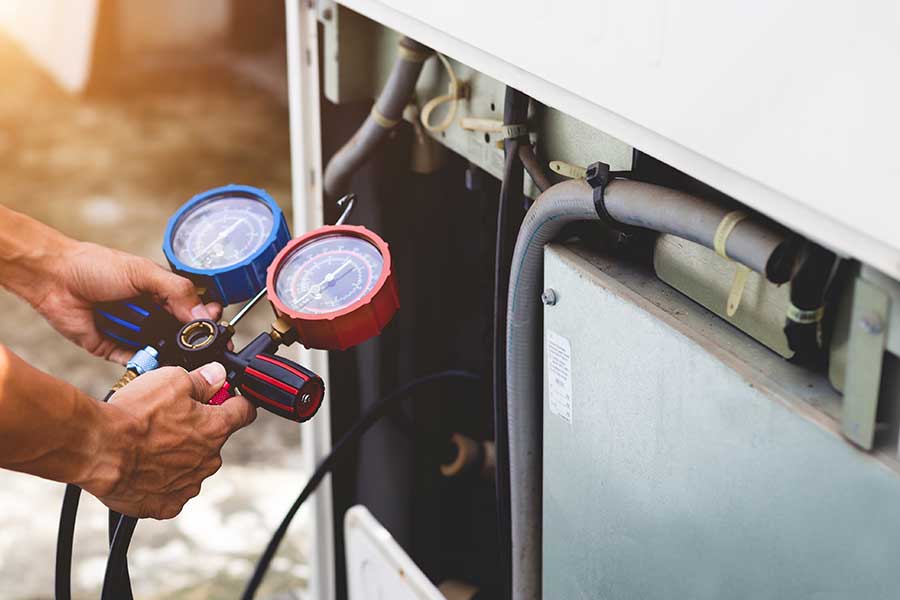
As homeowners in Fort Myers Beach, FL, we know the importance of timely emergency HVAC repair to prevent six costly problems: failing compressors, damaged ductwork, dangerous gas leaks, devastating water damage, hazardous mold growth, and unlivable indoor conditions. Early detection and professional repair can save us from high replacement costs, energy waste, safety hazards, and poor indoor air quality. To learn more about protecting our homes and families, keep reading.
Costly Compressor Failure
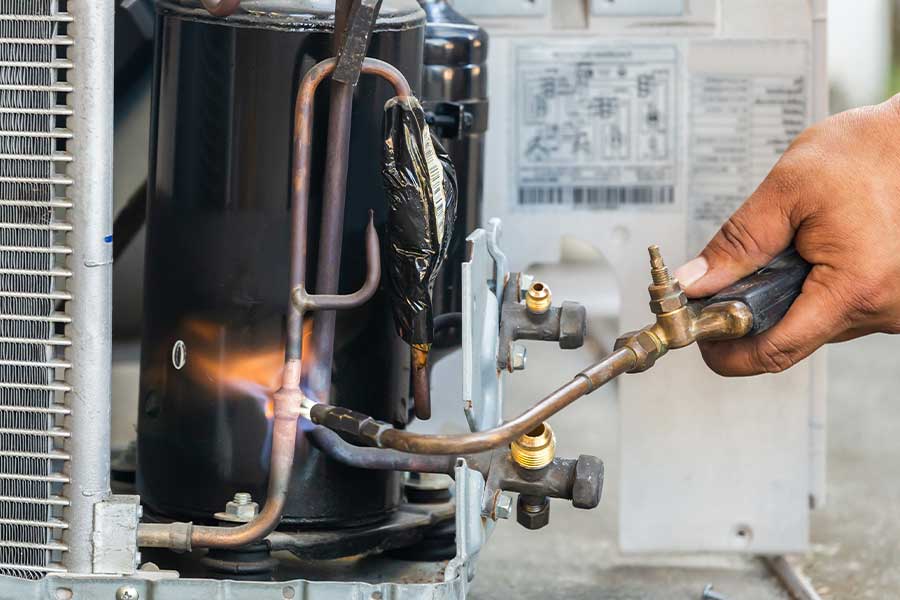
A failing compressor can spell disaster for your air conditioning system, often leading to costly repairs or even a full system replacement.
The compressor is the heart of your AC unit, and when it fails, it can cause the entire system to break down. This can leave you sweating through the summer heat until you can get it fixed.
We know how frustrating and inconvenient this can be, which is why it’s so important to address compressor issues quickly with emergency HVAC repair.
By catching problems early, you can avoid the high cost of a compressor replacement and keep your system running efficiently.
Don’t wait until it’s too late – let our experts diagnose and repair any compressor issues before they escalate. Regular maintenance, which is recommended to be conducted twice a year, can significantly help in identifying potential problems before they become serious.
Extensive Ductwork Damage
Although often overlooked, extensive damage to your ductwork can have serious consequences for your HVAC system’s efficiency and your home’s indoor air quality.
Leaks and breaches in the ductwork allow conditioned air to escape, forcing your system to work harder and consume more energy. This leads to higher utility bills and increased wear and tear on your HVAC components.
Moreover, damaged ducts can introduce pollutants, allergens, and even pests into your living spaces, compromising your family’s health and comfort.
To avoid these issues, we recommend:
- Regular ductwork inspections to identify and address problems early.
- Timely duct repairs or replacement to maintain system performance.
- Proper sealing and insulation to enhance energy efficiency.
- Professional duct cleaning to improve indoor air quality, as clean air ducts can significantly enhance your home’s comfort.
Don’t let extensive ductwork damage catch you off guard. Partner with a trusted HVAC specialist to keep your home comfortable and energy-efficient.
Dangerous Gas Leaks
Dangerous gas leaks are a serious issue that requires prompt attention. Identifying these leaks quickly and mitigating the associated safety risks is crucial for the well-being of your home and family. Properly functioning gas lines ensure safe appliance operation, which is essential for maintaining a secure living environment. We’ll explore the importance of detecting and addressing dangerous gas leaks in your HVAC system.
Identifying Leaks Promptly
Why do gas leaks pose such a serious threat? Undetected gas leaks can accumulate, causing fire, explosions, and health hazards.
That’s why it’s crucial to identify leaks promptly. Here are 4 signs to watch for:
- Hissing sounds near gas lines or appliances
- A distinctive rotten egg odor
- Dead or dying plants around gas pipes
- Unexpectedly high gas bills
If you notice any of these, don’t hesitate – call in a professional HVAC technician immediately.
Identifying and repairing gas leaks quickly can prevent costly damage and keep your family safe.
At PRO-TEC, our experts are on call 24/7 to address emergency HVAC issues like this without delay.
Mitigating Safety Risks
When it comes to dangerous gas leaks, we know the risks can’t be overstated. A gas leak poses a serious fire and explosion hazard, not to mention the potential for carbon monoxide poisoning.
That’s why it’s critical to address the issue promptly. Our team is trained to quickly detect and safely resolve gas leaks, eliminating the danger.
We’ll thoroughly inspect your HVAC system, find the source of the leak, and make the necessary repairs.
Don’t take chances with your family’s safety – let our experts handle it. With our 24/7 emergency service, we’re ready to respond anytime a gas leak threatens your home.
Devastating Water Damage
One of the most devastating issues that can arise from an HVAC emergency is water damage.
When a refrigerant leak or a broken condensate line goes undetected, it can lead to catastrophic flooding, ruining floors, walls, and valuable belongings.
We’ve seen this happen all too often, and it’s a nightmare no homeowner wants to experience.
To avoid this, look for these signs of potential water damage:
- Visible water pooling around the indoor unit
- Mold or mildew growth
- Musty odors
- Higher than normal humidity levels
If you notice any of these, don’t wait – call in an emergency HVAC repair technician right away.
Catching the issue early can prevent a costly and messy disaster, just like how emergency plumbing services can help mitigate similar issues before they escalate.
Hazardous Mold Growth
Mold growth can pose serious health risks for homeowners.
Damp or humid conditions in the home often cause mold to thrive, which can trigger allergic reactions and respiratory problems.
We’ll explore the causes of hazardous mold growth and the harm it can do to both your home and your family.
Mold Risks Homeowners Face
Though we often overlook it, the presence of mold in our homes can pose serious health risks. Mold exposure can lead to respiratory issues, allergic reactions, and even neurological problems.
As homeowners, we must be vigilant in identifying and addressing mold growth. Here are four common mold risks we face:
- Structural Damage: Mold can weaken building materials, compromising the integrity of our homes.
- Toxic Exposure: Some mold varieties, like black mold, release harmful toxins that can make us sick.
- Worsening Allergies: Mold spores can exacerbate existing respiratory conditions and allergies.
- Reduced Air Quality: Mold can contaminate the air we breathe, negatively impacting our indoor air quality.
Mold Growth Causes Harm
Hazardous mold growth can have serious consequences for our homes and our health. When mold spreads, it can deteriorate the structural integrity of our properties and trigger respiratory issues like asthma and allergies.
Mold thrives in warm, damp environments, and it’s often a sign of larger HVAC problems like poor ventilation or leaks. Ignoring mold allows it to spread rapidly, worsening the problem and costing us more to fix it down the line.
Addressing mold growth quickly with professional emergency HVAC repair is crucial to protecting our families and our investments. Catching it early saves us time, money, and potential health hazards.
Unlivable Indoor Conditions
When the indoor temperature and air quality plummet to unlivable levels, it’s crucial to address the issue promptly.
Neglecting emergency HVAC repairs can lead to a range of costly problems, including:
- Respiratory distress: Poor indoor air quality can exacerbate respiratory conditions, putting your family’s health at risk.
- Structural damage: Extreme temperatures can cause warping, cracking, and other structural issues in your home.
- Increased energy costs: A malfunctioning HVAC system can dramatically spike your utility bills as it struggles to maintain comfort.
- Mold and mildew growth: Stagnant, humid air creates the perfect environment for harmful fungal buildup.
Don’t wait for these problems to escalate.
Reach out to the trusted HVAC experts at PRO-TEC Plumbing, Drain Cleaning & AC Repair to restore your indoor conditions and protect your home.
Conclusion
When the mercury rises and our air conditioning falters, we know we can count on the experts at PRO-TEC to swiftly restore our comfort and safeguard our homes. Their top-notch emergency HVAC repair services have saved us from a veritable Pandora’s box of costly calamities, from compressor failures to mold infestations. In this neck of the woods, we wouldn’t dream of entrusting our cooling systems to anyone else.